

Swimwear That Actually Works in Gulf Weather | Villa Rochelle

Why Swimwear Choices Feel More Confusing Than They Should
In cities like Riyadh, Jeddah, Dubai, Doha, Abu Dhabi, and Kuwait, swimwear is not just about style.
It’s about heat, humidity, modesty preferences, durability, and comfort over long hours.
While other focus heavily on:
- trends,
- visuals,
- or vague sizing labels,
without explaining how real buyers should evaluate swimwear for Gulf conditions.
This article fills that gap — calmly, clearly, and practically.
Understanding Swimwear Beyond “Style”
Before choosing swimwear, it helps to step back and understand what swimwear is actually designed to do.
Good swimwear should:
- remain comfortable in high temperatures
- dry quickly in humid air
- hold shape after saltwater or chlorine exposure
- offer coverage that aligns with personal and cultural comfort
- support movement — not restrict it
These factors matter more than brand names or trend cycles.

Fabric Matters More Than Most Buyers Realise
Many swimwear issues start with fabric — not fit.
Common fabric problems buyers experience:
- suits that feel heavy after swimming
- transparency when wet
- fabric stretching out after a few uses
- slow drying in humid climates
What works better in Gulf conditions:
- High-quality nylon blends → lighter, faster drying
- Balanced elastane content → stretch without sagging
- Chlorine-resistant weaves → longer lifespan for hotel pools
Buyers who understand fabric composition tend to replace swimwear less often — not because they buy more, but because they buy better.
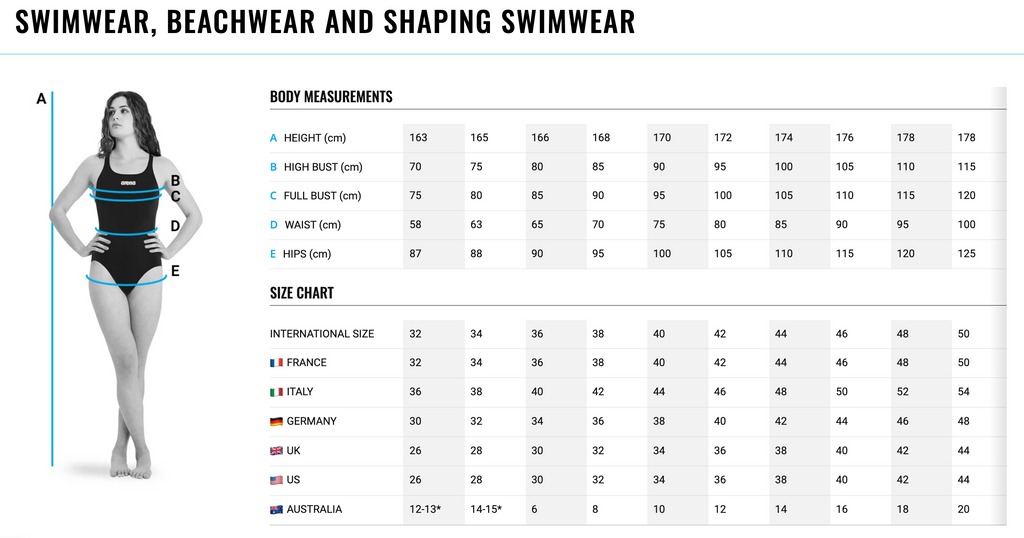
Fit Is About Function, Not Just Size Labels
Standard sizing (S, M, L) doesn’t account for:
- different body proportions
- support needs
- movement comfort
A well-designed swimsuit should:
- stay in place while swimming
- avoid pressure at shoulders or hips
- feel secure when walking, sitting, or entering water
This is why experienced buyers often prefer:
- adjustable straps
- supportive linings
- structured seams instead of flat cuts
Coverage Preferences in the Gulf: A Practical Reality
In Saudi Arabia and neighbouring regions, swimwear use varies widely:
- private pools
- hotel resorts
- women-only beaches
- travel abroad
There is no single “right” level of coverage — but flexibility matters.
Many buyers look for:
- higher necklines
- longer torso coverage
- layered or multi-piece designs
- silhouettes that feel comfortable outside water as well
Understanding this context helps choose swimwear that feels usable, not just attractive in photos.
One-Piece vs Two-Piece vs Modest Swimwear: How people Actually Decide
Instead of trends, most people decide based on:
- where they’ll wear it
- how long they’ll wear it
- how comfortable they feel moving in it
Practical logic:
- One-piece → stability, simplicity, fewer adjustments
- Two-piece → flexibility, easier fit customisation
- Modest swimwear → comfort across mixed environments
The better the swimwear adapts to real scenarios, the more often it gets worn.

Durability: The Hidden Cost Most Buyers Ignore
Swimwear often looks fine for the first few wears — then fades, loosens, or loses shape.
Durability depends on:
- fabric density
- stitching quality
- resistance to chlorine, salt, and sun exposure
Buyers who evaluate swimwear on construction quality rather than price tags tend to be more satisfied long-term.
This is where informed comparison quietly influences preference.

FAQs
Lightweight nylon blends with elastane dry faster and stay more comfortable in humid conditions.
Look for lined designs and higher fabric density rather than thin stretch material.
Many find one-piece suits more stable for active swimming, but comfort depends on fit and structure.
With proper care, well-constructed swimwear can last multiple seasons without losing shape.
Yes — chlorine accelerates fabric breakdown if the swimwear isn’t chlorine-resistant.
